

THE LATEST NEWS AND UPDATES ON THE UK’S TERRORISM PROTECTION LAW
Martyn’s Law
Royal Assent April 2025 ✓ · Statutory guidance April 2026 ✓ · Expected in force spring 2027
An independent information and guidance point for anyone preparing for Martyn’s Law. Updated September 2026.
THE BASICS
What is Martyn’s Law?
Martyn’s Law - officially the Terrorism (Protection of Premises) Act 2025, and first proposed as the Protect Duty - requires those responsible for publicly accessible premises and events to be ready to keep people safe in the event of a terrorist attack. It became law on 3 April 2025.
The duties are not yet switched on. The law is expected to come into force in spring 2027, and the Security Industry Authority (SIA) has been confirmed as the regulator. The time in between is for organisations to prepare.
The 2017 Manchester Arena attack exposed a gap in how public venues prepare for terrorism. Many had no plan for what staff should do in those first minutes. Martyn’s Law asks every qualifying venue to have simple, rehearsed procedures that save lives.
THE LATEST ON #MARTYNSLAW
Where things stand
The journey so far, and what is still to come.
Last updated September 2026.
22 May 2017
The Manchester Arena attack kills 22 people, including Martyn Hett. His mother, Figen Murray, begins the campaign for change.
3 April 2025
Martyn’s Law receives Royal Assent and becomes an Act of Parliament.
1 September 2025
The Department for Education publishes guidance on how the law will affect schools, colleges and nurseries.
15 April 2026
The Home Office publishes statutory guidance explaining who is in scope and what is required (updated August 2026).
12 June 2026
The SIA closes its consultation on how it will inspect and enforce. Its final guidance is expected in autumn 2026.
August 2026
Notification guidance is published: once the law commences you will have three months to notify the SIA, through an online portal currently being built.
Spring 2027 (expected)
The law comes into force. The confirmed date will be set by the Home Office.
WHO IS IN SCOPE
Who does the law apply to?
Martyn’s Law applies across the UK to premises and events where 200 or more people may reasonably be expected to be present at the same time. Your tier depends on the number of people expected, not fire capacity.
Among the places in scope:
Shops and shopping centres
Entertainment, music and sports venues
Restaurants, pubs and hotels
Places of worship
Hospitals and healthcare buildings
Schools, colleges and universities
Museums and visitor attractions
Council and other public buildings
THE TWO TIERS
What each tier must do
Standard tier
200 TO 799 PEOPLE
Notify the SIA, and have public protection procedures in place so far as reasonably practicable: evacuation, invacuation (moving people to safety inside), lockdown, and communicating with people on site.
This tier is about planning, procedures and training. There is no requirement to buy equipment or make physical alterations.
Penalties reach £10,000 for non-compliance.
Enhanced tier
800 OR MORE PEOPLE
Everything in the standard tier, plus measures to reduce the vulnerability of the premises to attack - documented, provided to the SIA, and owned by a designated senior individual.
Think monitoring, movement of people, physical safety and information security - proportionate to your venue.
Penalties reach £18 million or 5% of worldwide revenue.
FOR EDUCATION SETTINGS
In education? You’re standard tier, whatever your size
Early years settings, schools and colleges where 200 or more people may be present fall within the standard tier even when numbers exceed 800 - a deliberate easement in the Act. Universities follow the general rules, and events held at education premises cannot be qualifying events. The Department for Education has published dedicated guidance for education settings.
GET READY
How to prepare
Five steps, in order. Most settings can do all of this with the people they already have.
01 Work out whether you’re in scope.
Count everyone - staff, visitors, pupils, contractors - who may reasonably be expected to be present at the same time. 200 or more puts you in scope; 800 or more puts you in the enhanced tier.
02 Identify your responsible person.
The person or body in control of the premises carries the duties, and needs to know it.
03 Put your procedures in place.
Evacuation, invacuation (including moving people to a safe place inside), lockdown and communication - written down, shared, and rehearsed until they’re second nature.
04 Be ready to notify the SIA.
The notification portal opens nearer commencement, and you’ll have three months from commencement to register.
05 Stay informed and keep training.
Guidance is still being finalised - follow the official sources, and put your staff through the free ACT and SCaN training - both official, both linked with more on our resources page.
MYTH-BUSTING
Three things people get wrong
Drawn from the Home Office’s own myth-buster - the full version is on our resources page.
MYTH “We’ll need CCTV, bag checks and security guards.”
FACT The standard tier asks for procedures, not purchases. There is no obligation to buy equipment, hire staff or make physical alterations.
MYTH “There’s nothing to do until 2027.”
FACT The duties begin at commencement, but procedures take time to write, share and rehearse - the implementation period exists so organisations can prepare now.
MYTH “We’ll have to pay someone to make us compliant.”
FACT Everything you need is free and official: the statutory guidance, the factsheets and the training linked from this site. Be wary of anyone selling urgent “compliance packages”.
FREE OFFICIAL TRAINING AND MATERIAL
Train your staff for free
ACT: Action Counters Terrorism e-learning and SCaN: See, Check and Notify are free, built by the UK’s counter-terrorism experts, and suitable for any member of staff. They sit alongside the official guidance, one-page reads and explainer videos we’ve gathered on one page.
WHY THIS SITE EXISTS
Martyn’s story
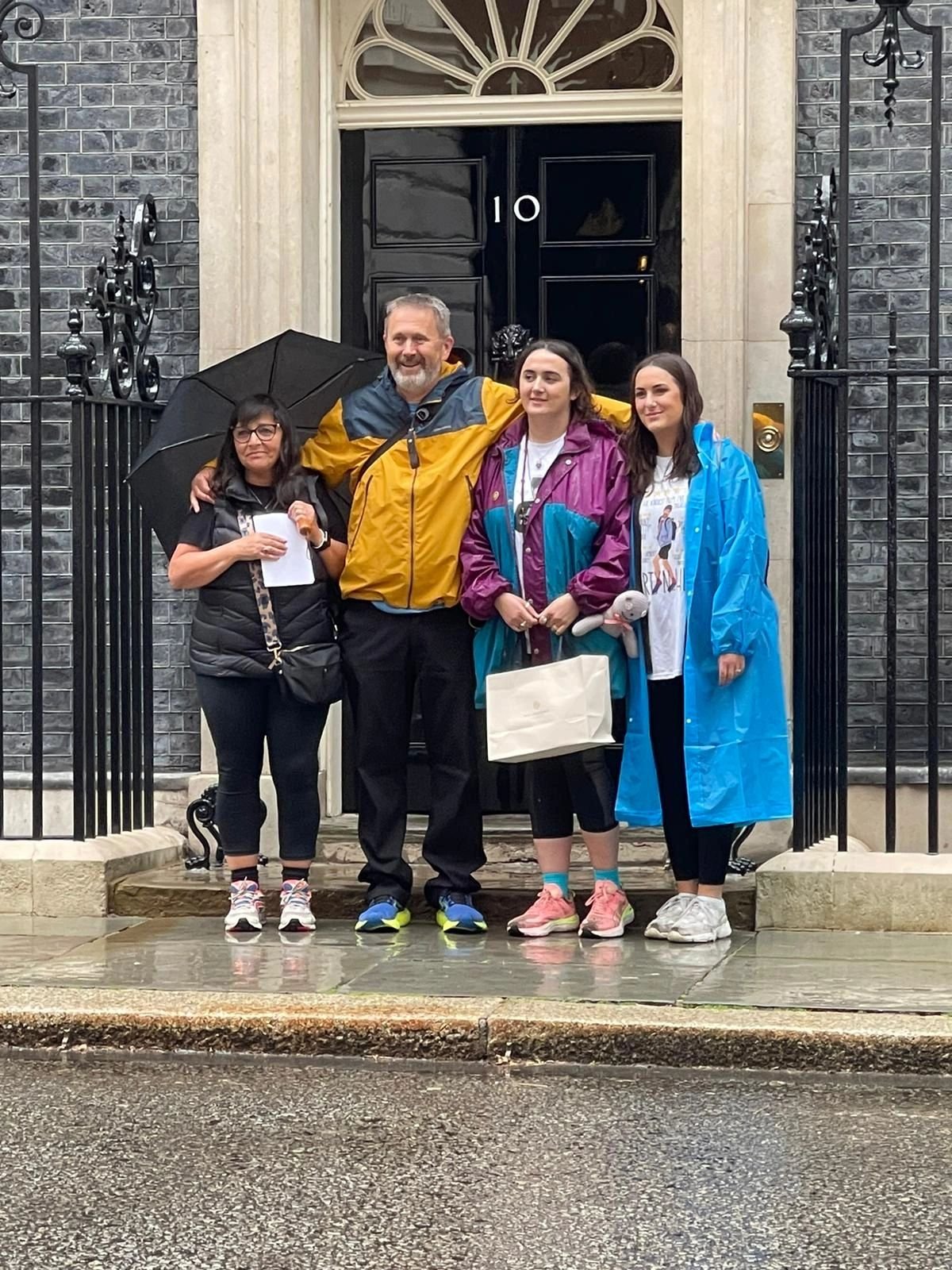
Martyn’s Law is named for Martyn Hett, who was killed alongside 21 others in the Manchester Arena attack in 2017. His mother, Figen Murray, has campaigned ever since - supported by her family, security experts and a community of thousands - to make sure no venue is ever caught unprepared again.
This site exists in that spirit: to make preparing for the law feel clear and doable, not daunting.
Subscribe to stay informed
One short email when something changes - guidance, dates, the notification portal. No noise.